If your home is in Alwoodley, Roundhay, Horsforth or out towards Ilkley, the question isn't just "can we extend?" but "which route gets us the extension we actually want?" Here's how Leeds planning really works at the premium end.
We've written before about the general difference between planning permission and permitted development. This piece is more specific: what those two routes mean when the house is a substantial one, the ambitions are architectural, and the postcode comes with its own set of rules.
why premium leeds suburbs feel stricter
They often genuinely are. Many of the areas our clients live in carry extra layers of control on top of national policy:
- Conservation areas. Parts of Roundhay, Headingley, Horsforth, Ilkley and others sit within designated conservation areas, where the council pays close attention to materials, roof forms and how an extension reads from the street.
- Article 4 directions. In some areas the council has withdrawn specific permitted development rights, so work that would be automatic elsewhere needs an application here.
- Listed buildings. A listed farmhouse or villa needs listed building consent for almost any alteration, inside or out, regardless of size.
- Character and precedent. Even outside formal designations, officers weigh how a proposal sits against the established character of a street of large, well-kept homes. Neighbours in these areas also tend to engage with consultations.
None of this should put you off. It simply means the route needs choosing deliberately, not by default, and that the first task on any project is establishing exactly which constraints apply to your plot.
what permitted development can genuinely achieve
Permitted development has a reputation as the route for modest work. That undersells it. Handled carefully, PD rights can deliver a serious amount of high-quality space:
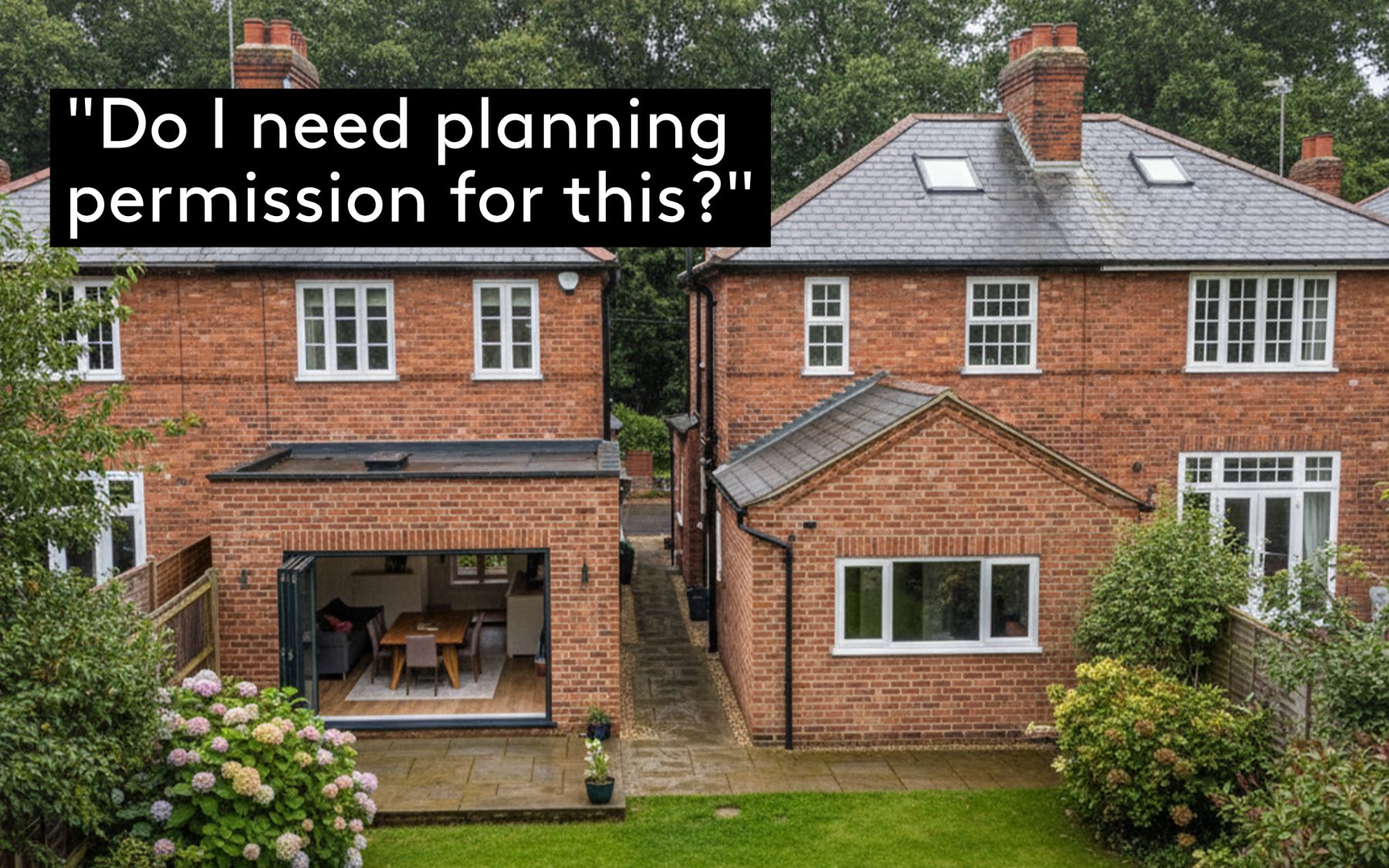
- Generous single-storey rear extensions, larger still where the neighbour consultation scheme applies.
- Loft conversions with substantial rear dormers, often the single most cost-effective space gain on a large semi or detached home.
- Garden rooms and outbuildings (studios, gyms, home offices) within the height and coverage limits.
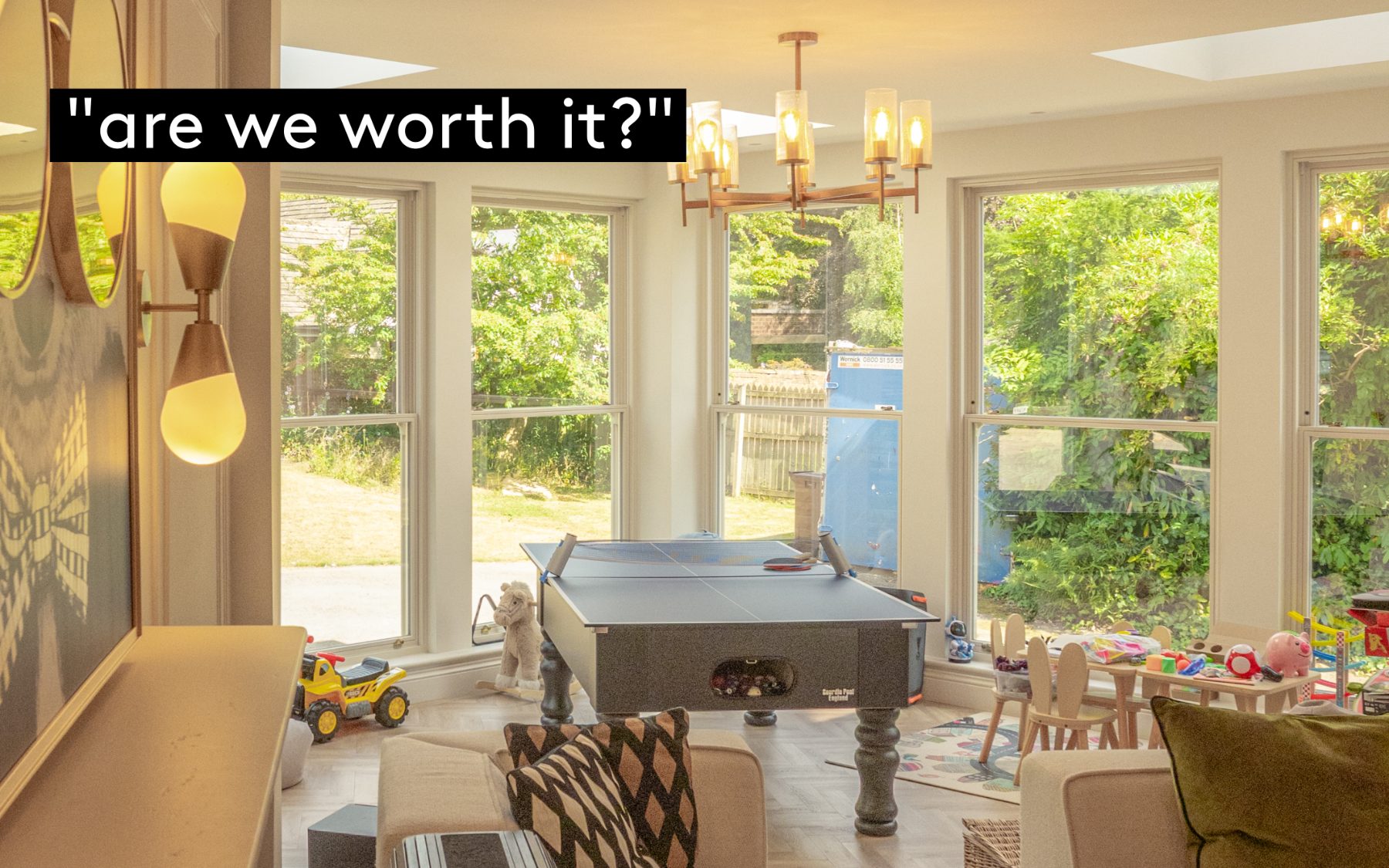
- High-spec glazing, materials and interiors: PD constrains the envelope, not the quality of what happens within it.
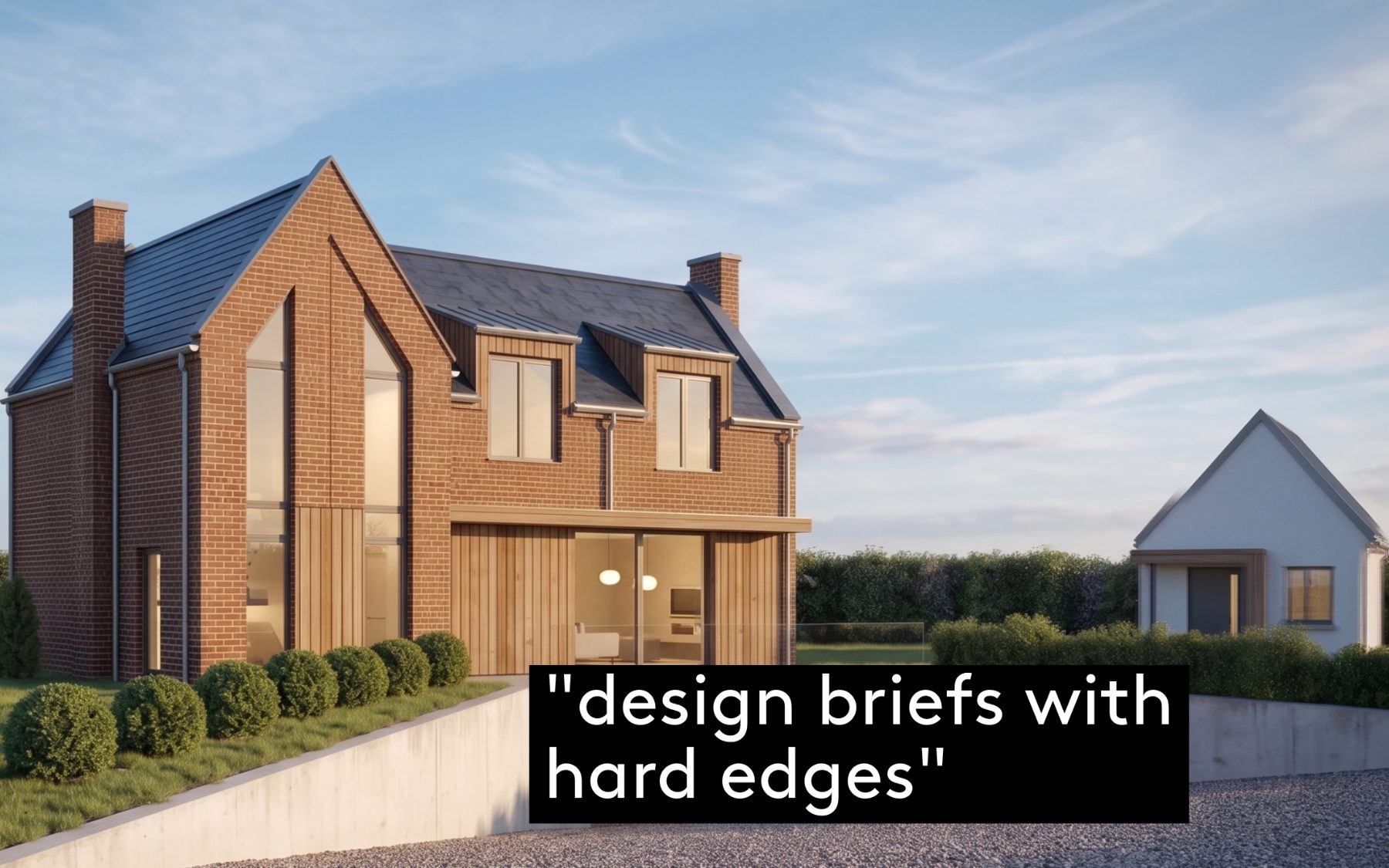
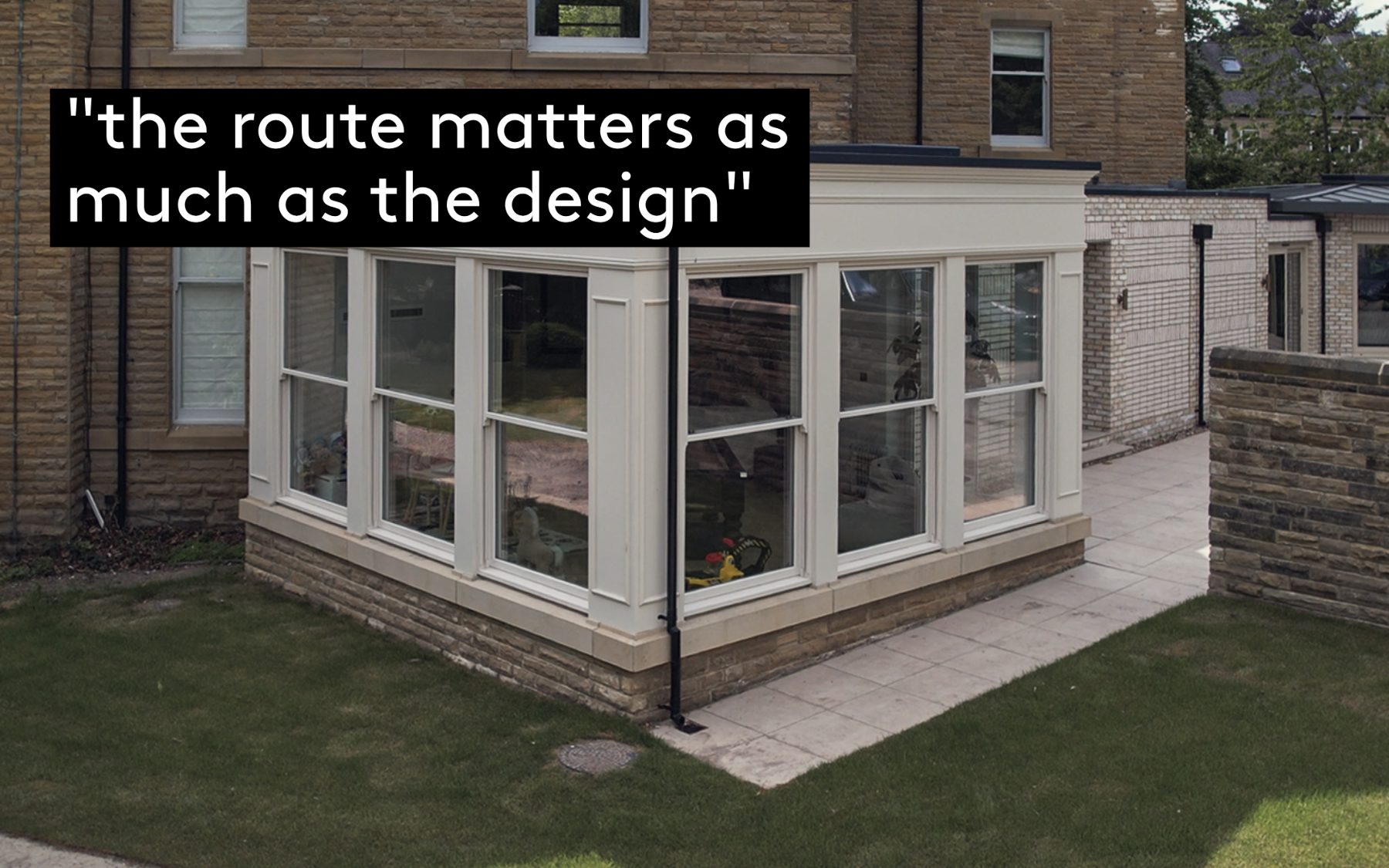
The catch at the premium end: PD rules ask that extensions use materials of "similar appearance" to the existing house, and the size limits are hard edges, not opening positions. A fully glazed, flat-roofed pavilion behind a stone Edwardian villa will often fall outside PD on materials alone, however beautifully it's detailed.
Whichever way you go under PD, we'd almost always recommend a Lawful Development Certificate. It's the piece of paper that proves the work was lawful, and on a high-value home, that certainty matters at resale.
when full planning is the better route, not the fallback
It's tempting to treat a planning application as the consolation prize when PD won't stretch. We see it the other way round. A full application is what gets you the projects people actually dream about:
- The glazed statement. Structural glass, contrasting contemporary materials, a visible architectural move rather than a matching brick box.
- Two storeys and beyond. Adding bedrooms and bathrooms above the new kitchen, not just behind it.
- Wrapping the plan. Side-and-rear extensions that reorganise the whole ground floor around the garden.
- Working with a sensitive setting. In a conservation area, a well-argued contemporary design can win consent where a timid pastiche would drift.
Leeds City Council's policies ask for good design, genuinely. A carefully considered contemporary extension, supported by proper drawings, a design statement that explains its logic, and early conversations with officers where useful, is not a long shot. It's how most of the best extensions in these suburbs got built.
how we choose the route with you
Every project starts the same way: we establish the facts of your plot before anyone falls in love with a scheme. That means checking designations, Article 4 directions, planning history and the practical limits of your PD rights, then designing to the ambition, and matching the route to the design rather than the other way round.
Sometimes the answer is a hybrid: the loft under PD, the rear extension through planning. Sometimes we'll recommend a pre-application enquiry to test an ambitious idea with the council before committing. And when a full application is the route, we act as your navigators through the process, negotiators with the case officer, and advocates for the design you actually want, not the one that's merely easiest to approve.
Thinking about extending a home in north Leeds, Wharfedale, Harrogate, or anywhere across West and North Yorkshire? Tell us about your project. The first conversation is about your plot's real possibilities, and it costs nothing.