The better the brief, the better the building. Here's what to write down, what to leave open, and why "I don't know yet" is a perfectly good answer.
A good brief is the difference between a house that fits you and one that merely functions. It doesn't need to read like a specification, and it certainly doesn't need answers to everything. It needs to tell us how you actually live. The rest is our job.
why a good brief matters
- Clear communication. You and your architect are on the same page from the start.
- Time efficiency. A good brief avoids misunderstandings later in the design process.
- Budget alignment. It helps us understand your priorities and constraints.
- Personalised design. The more we know about you, the more tailored your design will be.
what to include
1. project basics
The fundamentals: the type of project (extension, renovation, new build), an approximate budget, and your desired timeline.
2. your lifestyle
Help us understand how you live. Who lives in the home, and do any of them have specific needs? How do you use different spaces through the day? Do you entertain often? Do you work from home? Any hobbies that need dedicated space?
3. aesthetic preferences
Describe your style. Modern, traditional, or something specific? Materials or colours you love, or can't stand? What atmosphere do you want to create?
4. functional requirements
Your must-haves: number of bedrooms and bathrooms, desired living spaces (open-plan, separate dining), storage needs and outdoor space.
5. inspiration
Show us what inspires you. A mood board, images of spaces you love (and why), specific features in other buildings that appeal to you.
6. site considerations
Features you want to highlight or challenges to address, views to capitalise on, and any privacy concerns.
7. sustainability goals
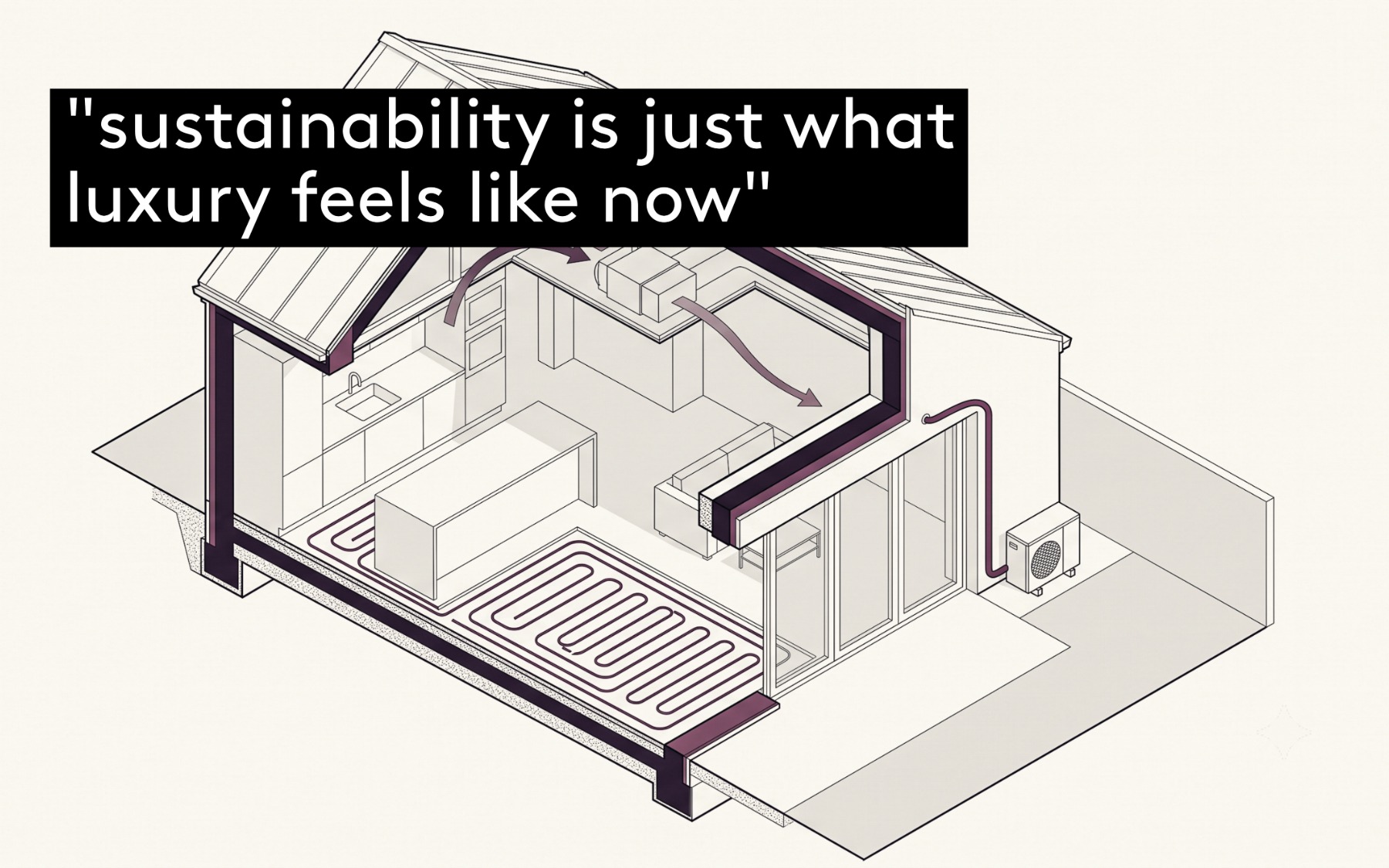
Your eco-friendly aspirations: energy-efficiency targets, interest in specific sustainable technologies, and how important eco-friendly materials are to you.
8. future-proofing
Think long-term. How long do you plan to stay? Any anticipated changes in your lifestyle? How much flexibility do you want built into the space?
tools to help communicate your vision
Pinterest boards and Houzz ideabooks for rooms or styles you like; magazine clippings; rough sketches (even simple drawings convey spatial ideas well); and written descriptions, since sometimes words capture a feeling that images can't.
the we are _ approach to briefs
Our philosophy shapes how we handle a brief. We're listeners first, here to understand your vision rather than impose our own. We're collaborators: your brief starts the work, it doesn't finish it. And we're interpreters, turning your ideas into spatial possibilities you might not have pictured yourself.
what to expect in your first meeting
A warm welcome and an open conversation, with questions that dig into what you're really after. We might sketch ideas or show examples to check we've understood, talk through a visit to see the property in context, and set out clear next steps from your brief.
A few tips: be open, and share even the ideas you think are impossible. Prioritise your must-haves against your nice-to-haves. Consider everyone in the household. Be honest about budget so we can design within your means from the start. And bring examples.
Your brief isn't set in stone. It's where the collaboration starts. Ready to talk it through? Start the conversation.